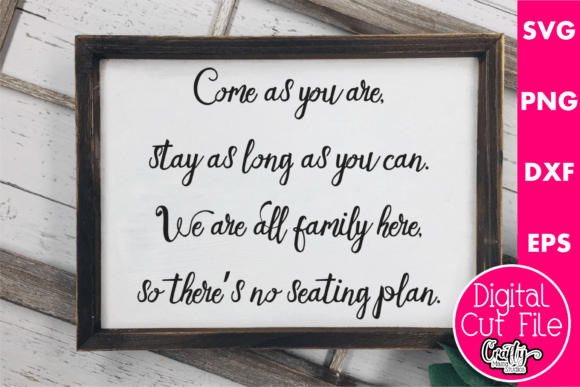
We Are All Family Here
As a designer who’s stitched hundreds of custom projects—from boutique baby blankets to Etsy bestsellers—I opened We Are All Family Here expecting warmth, but what I found was something more: quiet intention. It’s not flashy. It doesn’t shout. Instead, it settles in—like a well-worn apron hung on a kitchen hook—inviting connection without demanding attention. That’s rare in today’s crowded craft marketplace, where “inspirational” often means overdesigned or overly literal.
A Design That Breathes With Your Project
I tested We Are All Family Here on a natural linen tea towel first—no embellishment, just clean stitching in soft ecru thread. The layout is gently arched, with generous letter spacing and subtle weight variation in the strokes. It’s not built for tight satin-stitch curves or aggressive fill density; it leans into legibility and calm rhythm. That makes it ideal for relaxed, handmade products: nursery wall hangings, embroidered pillow covers for family rooms, or personalized sweatshirts for small-batch apparel brands.
It also works beautifully as a centerpiece on a cotton tote bag—especially one meant for farmers’ markets or school pickups. When stitched at 4.5" wide (a comfortable size for most hoops), the phrase reads clearly from three feet away, yet retains enough texture to feel hand-touched, not mass-produced. That balance matters deeply if you’re building trust with customers who value authenticity over polish.
Where It Shines—and Where to Pause
We Are All Family Here excels in low-contrast, high-feel applications: baby onesies (stitched in pastel pink or sage green), lightweight aprons for bakeries or coffee shops, and holiday gift tags sewn onto jute-wrapped mugs. Its open letterforms avoid trapping lint or distorting on knit fabrics—so yes, it holds up on cotton-blend t-shirts and lightweight sweatshirts when paired with medium-weight cutaway stabilizer.
But here’s where practical judgment kicks in: avoid using it full-size on curved surfaces like structured caps or beanies. The gentle arch flattens awkwardly on rounded crowns, and small details—like the subtle taper in the “A” or the soft terminal of the “e”—lose definition. Likewise, skip dense applique versions unless you’re adding a fabric backing intentionally; this isn’t an applique design by default—it’s a clean, text-forward embroidery file that gains strength from simplicity.
On dark fabrics? It reads well—if you choose a thread with enough sheen or contrast (matte black on navy can disappear; heather gray on charcoal stays visible). On textured weaves like burlap or heavy canvas? Test stitch first. The design’s moderate stitch density handles light texture, but aggressive weaves may obscure fine transitions between letters.
Real-World Fit: What This Design Actually Sells
Last month, I used We Are All Family Here on a set of four matching kitchen towels for a local café’s “Family Table” launch. Customers didn’t just buy the towels—they asked about the phrase, snapped photos, and tagged the shop. Why? Because it felt inclusive without being vague, warm without being cloying. That emotional resonance translates directly to product value—not just for gifts, but for small shop branding and boutique merchandise.
Etsy sellers will find it especially effective in listings that pair well with lifestyle mockups: think a sunlit breakfast nook, a stack of folded towels beside ceramic mugs, or a baby’s hand resting near a stitched onesie. Its tone supports storytelling—not just decoration. And for digital product sellers, the included SVG, EPS, DXF, and PNG formats mean you can easily adapt it for printable mockups, social media banners, or even laser-cut wood signs—expanding its utility beyond machine embroidery alone.
Design Notes You Can’t Skip
Before stitching your first We Are All Family Here project:
- Always test on scrap fabric—especially if pairing with stretchy knits or delicate weaves. Watch how the letter terminals behave at corners and ends.
- Check thread color contrast across both light and dark backgrounds. A single shade won’t work universally—ecru reads softly on ivory, boldly on charcoal.
- Review stitch density in your embroidery software. If it runs unusually dense for a text-only design, consider reducing underlay or adjusting pull compensation.
- Confirm hoop size compatibility. While the design scales well, extremely small versions (<2.5") risk losing character in the “r”, “l”, and lowercase “i” stems.
- Use appropriate stabilizer: medium cutaway for knits, tear-away for stable wovens, and optional topping for napped fabrics like fleece.
- Verify licensing terms before selling finished items or bundling the file digitally. Since it’s listed as a Graphics product in Crafts, confirm whether commercial use is explicitly permitted for your intended application.
More Than a Phrase—A Thoughtful Design Asset
We Are All Family Here doesn’t try to be everything. It doesn’t mimic trending fonts or chase algorithmic visibility. Instead, it offers what seasoned designers and craft business owners actually need: clarity, consistency, and quiet confidence. It elevates a simple tote bag into a statement piece. It turns a baby gift into a keepsake. It gives a small shop owner a cohesive visual anchor across products—from embroidered patches to printable gift cards.
If your goal is to build recognizable, emotionally grounded handmade products—or to offer clients embroidery files that feel intentional, not incidental—We Are All Family Here earns its place in your design assets. Not because it’s trendy, but because it stitches true.